30 June 2021
On Wednesdays on social media, people use the hashtag #WriterWednesday to chat about all things author, book and writing, including authors promoting their own work. As I love to support self-published writers, I thought I’d join in and will be featuring a UK self-published writer every Wednesday on the website.
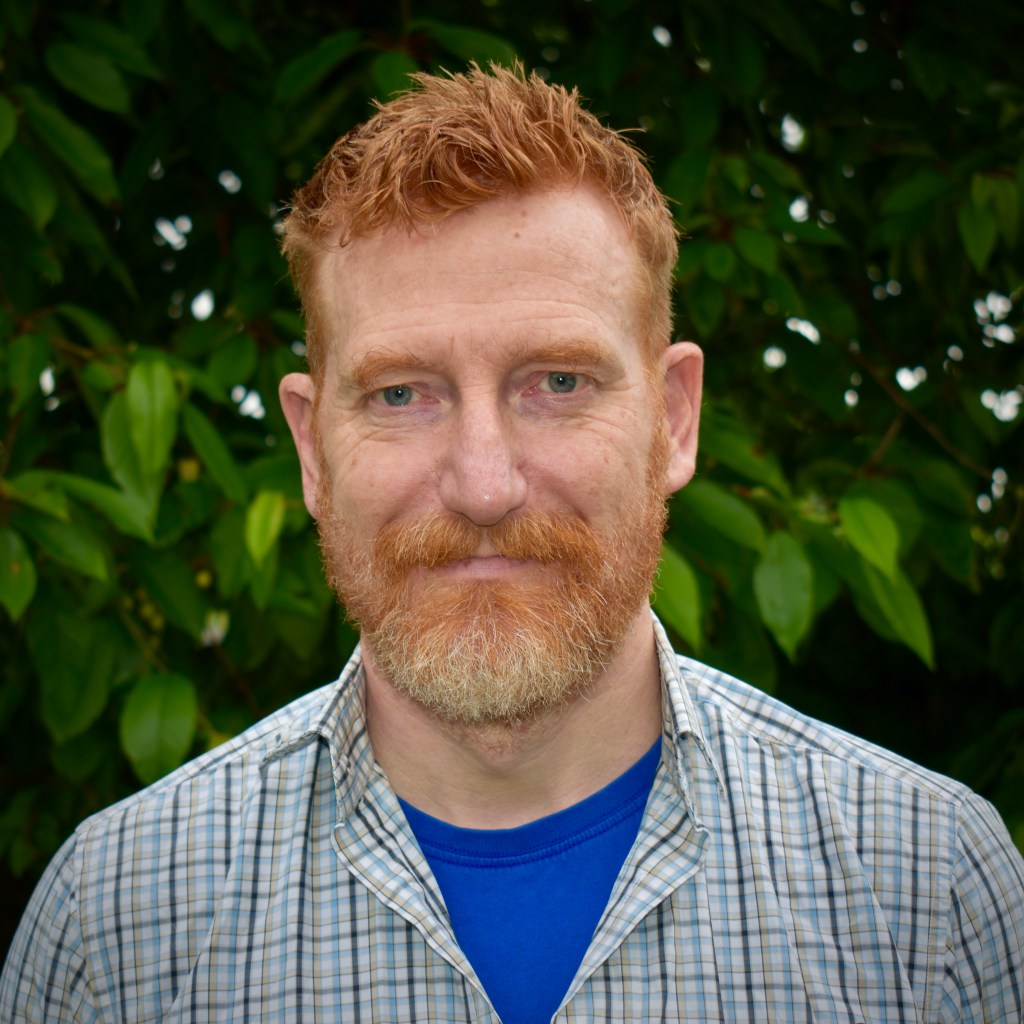
This week, I met Newmarket writer Barrie White to find out more…
Please tell everyone about yourself; when did you first become interested in writing?
My name is Barrie White and I am a writer and illustrator of comic strips and graphic novels. I also work in the media industry as an animator and video editor, and have always sought out ways to combine character led stories with dynamic visuals, illustration, cinematography and music. As a filmmaker I made several short films as writer, director and editor, but long before this I was always drawing, doodling and playing with character and setting. The emergence of the popular graphic novel form in the late 1980’s inspired me to try and write the stories behind my characters. In recent years I have returned to comic storytelling in my spare time as a way to create personal work that is still character led, dynamic and cinematic, but is also self contained and self sufficient.
Do you remember the first story you ever wrote?
My first attempts at combining stories and illustration were fanzine comics created with a friend, black and white photocopied pages stapled together on the carpet and distributed to friends and local comic shops. I can still remember the thrill of laying out twenty identical copies of our first comic, called Novel Graphics, an experimental and somewhat random collection of short stories with images. The duplication of the finished work was a reward in itself.
What genre/genres do your books fall under?
The two books I have self published so far are graphic novels, originally created as panel-a-day webcomics, an experiment in the discipline of drawing and posting sequential art to social media every day for a year, before collecting and mastering the completed content as finished books. The subject matter of both is of a nautical nature, stories of the coast inspired by a seafaring family history and by the cinematic landscapes and seascapes of the county of Suffolk where I grew up.
What is your latest book called, what is it about and what was the inspiration behind the book?
My latest book, The Ballad of Rusty Groynes, is a sea shanty comic about the adventures of a couple of adventurous monkeys on the Suffolk coast. It was inspired by the true story of my Great Grandfather, Charles Brinkley, who during his teenage years worked aboard a trading ship operating from the port of Harwich. After one trip to the West Indies he returned home with two monkeys, landing in Essex and walking home along the Suffolk coast. However, during the journey one of the monkeys made a dash for freedom into the countryside, never to be seen again. The other monkey went on to live with the Brinkley family in their house on a remote Suffolk island, until it too met a rather untimely end.
This tall tale recounted by my Grandfather always held a deep fascination for me. I was particularly intrigued by the fate of the escapee, scrambling up the cliffs and away into the Suffolk night, never to be seen again. The Ballad of Rusty Groynes is my imagined story of the monkey that got away, told in the form of a rambling and rollicking sea shanty.

Besides your current book, do you have any new projects coming up?
I’m preparing a full book launch in a local gallery in September, complimenting the graphic novel with prints and merchandise from the illustrations within. I’m also developing a new story with an environmental theme, a nautical tale set in a desert, which I hope to build in the same manner, creating and posting pages as episodes to social media, before combining the content into another physical book.
Where can people find your books?
My books are for sale through my Etsy shop. I also sell my work at craft and small press markets, with a planned full launch of my latest book at 142 Gallery in Felixstowe, Suffolk in early September.
What has been the greatest moment in your writing career?
Walking out onto a stage in a crowded theatre at the New York Film Festival to introduce a short film made from my own script is a great (if somewhat nervous) memory, but more recently, returning home from a trip to Ireland to find a parcel on the doormat containing the preview copy of my first self-produced graphic novel, The Sea Book. Opening that parcel and finding a crisp freshly printed hardback, with its tactile cover and ‘new book smell’, knowing I had created every scrap of it from nothing, made me grin from ear to ear.
Besides writing, what hobbies or interests do you enjoy in your spare time?
I love being out in the countryside and on the coasts of Suffolk and Norfolk, whether walking, cycling, birdwatching or beach-combing. Setting and atmosphere are important in my work, so being out in nature is always inspiring. A lot of my spare time outside of my day job is dedicated to creating and promoting my self-published work. I am often drawing on my iPad late into the evenings or swinging in my hammock at weekends struggling with words to fashion a story.
Which novelists do you admire?
I love the humility of Kurt Vonnegut, the ingenuity of Phillip K Dick, the visual efficiency of Elmore Leonard and the contrasting visceral energy of James Ellroy. Also love the work of William Burroughs, Cormac McCarthy, Rebecca Solnit and the poetry of Robert Frost, Philip Larkin and W.S. Merwin.
What has been the best piece of writing advice you’ve received?
Can’t remember where I got this is from, but have become increasingly convinced how important it is in your writing, drawing or creating to stay ‘true to who you are and where you’re from’. That doesn’t mean your work needs to be limited by setting or subject, but rather that it is infused and informed with themes and characters that are familiar to you, no matter what genre you choose to work in. The Science Fiction of Philip K Dick is often fantastical and apparently alien to his life until you realise that the recurring themes of alternative realities and distorted perception are borne out of the experiences of himself and his friends during the drug fuelled counter-culture of the sixties. His work is especially true to who he was and where he was from.
Do you have any tips or advice for other indie authors?
Self publishing your own work in whatever manner helps to build confidence in your own voice, free from influences that can divert you in directions that suit others more than they do you. It also means you remove some of the convenient excuses we all use – like waiting for someone else’s permission to write, or for someone to pay you to write, or for the perfect materials or conditions to help you write. When you can create 20 photocopied editions of your work and hand it straight to your audience (or use the internet to do the modern global equivalent) there really is no barrier to getting your work out there. With the advent of book printing platforms and readily available software, the means of production is completely in your hands, and distribution is only a mouse click away. No excuses left!
You can find out more about Barrie and his work via Etsy, Facebook, Instagram or X (Twitter).
 HOME
HOME 